Why recognition matters so much to young people
At any youth sports club, one thing stands out: in the teenage years, the need for recognition is fundamental. Young people look for places where they can express themselves, feel useful and be appreciated. That is why grassroots sport, and club life in particular, is the ideal setting to meet those needs.
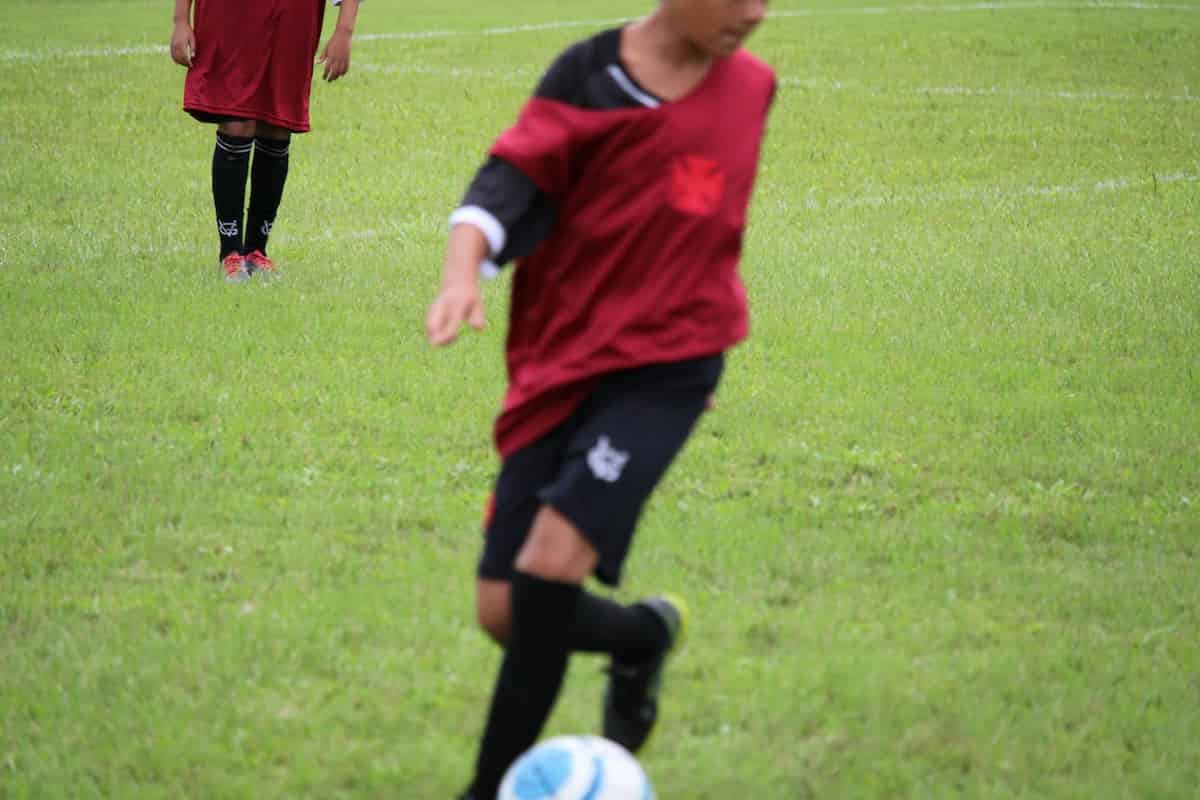
Of course, anyone who works with young people knows the pattern: they stay involved when they’re given a voice and genuine responsibility, and when their contribution is noticed. As a result, recognising what they do, and including them in the decisions that affect them, is one of the most effective ways to keep them engaged.
How a youth sports club can make young people feel valued
For example, sports clubs can put several things in place:
- Encourage initiative: let young people put forward ideas and take on responsibilities at the club.
- Recognise effort: celebrate achievements, on and off the pitch, at events, presentation evenings or meetings.
- Offer development opportunities: suggest courses (young leader, refereeing or entry-level coaching courses) to help them build new skills; your governing body and Sport England are good places to start.
All of this also strengthens their sense of belonging and motivates them to get more involved.
The impact of recognition on commitment
Recognition plays a key role in young people’s commitment. First, it builds their confidence and encourages them to play an active part in club life. Moreover, a young person who feels valued is more likely to stay involved for the long term and become an ambassador for the club.
In their own words
“Thanks to my club, I got to organise a tournament for the younger age groups. It helped me develop my project management skills and made me feel useful to the community.”
— Jack, 17
“Being captain of my team taught me to listen to others and make decisions. It’s an experience that helps me in everyday life.”
— Ellie, 16, footballer
Conclusion: a youth sports club that invests in its young people
In short, making young people feel valued isn’t only good for them: it’s good for the whole club. Indeed, it creates a positive environment, strengthens social bonds and encourages long-term commitment. Finally, by building recognition into everyday club life, clubs support young people’s personal development and secure their own future.