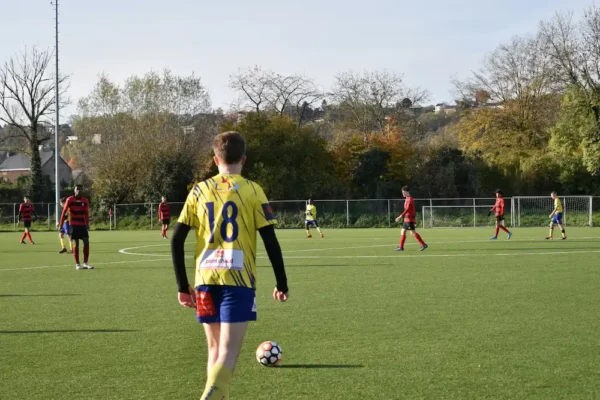
Recruiting sports club volunteers is often the easy part. However, keeping them motivated all season long, and from one season to the next, is another story.

Indeed, plenty of clubs see the same pattern: a burst of enthusiasm in September, then a gradual loss of steam as the months go by.
So how do you turn that around and keep your volunteers for the long haul?
1. Understand why volunteers lose motivation
Before looking for solutions, you need to understand the most common causes. In NCVO’s Time Well Spent 2023 survey, 26% of recent formal volunteers felt their volunteering was becoming too much like paid work, up from 19% in 2019. At grassroots clubs, the warning signs usually look like this:
- A lack of recognition for the work they put in
- Repetitive tasks with no chance to progress
- Feeling alone with their responsibilities
- The sense that their contribution goes unnoticed
These are exactly the same reasons that push some members to leave a club. In fact, our article “Why members leave a sports club (and how to prevent it)“ reaches much the same conclusion.
2. Recognise every sports club volunteer in a practical way
Of course, recognition shouldn’t stay abstract. Here are a few simple, effective ideas, for example:
- Name and thank them publicly (on social media, at meetings and events)
- Give them a clear role with a proper title (tea bar manager, transport coordinator…)
- Hold a dedicated thank-you event at the end of the season, or during Volunteers’ Week in early June
3. Share the load instead of concentrating it
After all, a club that relies on three or four exhausted volunteers never lasts long.
To avoid that, for instance:
- Break roles down into smaller, one-off tasks
- Ask parents directly for short commitments (one tournament, one away trip)
- Create a rota that everyone can see
4. Create projects that give people a sense of purpose
Running the tea bar or driving to away games is useful, of course. But it isn’t always what makes people want to get involved.
In fact, the projects that bring the most volunteers on board are usually those with a strong collective dimension and a clear goal. A personalised sticker album is a good example: organising the photos, coordinating the age groups, handing out the albums… It naturally rallies several volunteers around a concrete, visible goal. As a result, everyone can see the outcome and be proud to have delivered it.
5. Show sports club volunteers the impact of their work
Similarly, a volunteer who never sees the results of their commitment loses motivation faster.
A few simple habits also help:
- Share an end-of-season review (number of events organised, money raised, feedback from families)
- Show exactly what the money raised thanks to their efforts has paid for
- Involve volunteers in the decisions that affect them
In summary
| Lever | Desired effect |
|---|---|
| Understand why volunteers lose motivation | Anticipate problems rather than react to them |
| Recognise every volunteer | Reinforce their sense of being useful |
| Share the load | Stop the club’s mainstays from burning out |
| Create projects with a sense of purpose | Make people want to get involved |
| Make the impact visible | Sustain motivation over time |
Key takeaway: motivated sports club volunteers
In short, a club that keeps its volunteers motivated for the long term is a club that takes the time to listen to them, recognise them and offer them projects that mean something.
It’s not a question of money, but of the attention you pay to the people who, week in, week out, keep the club running behind the scenes.